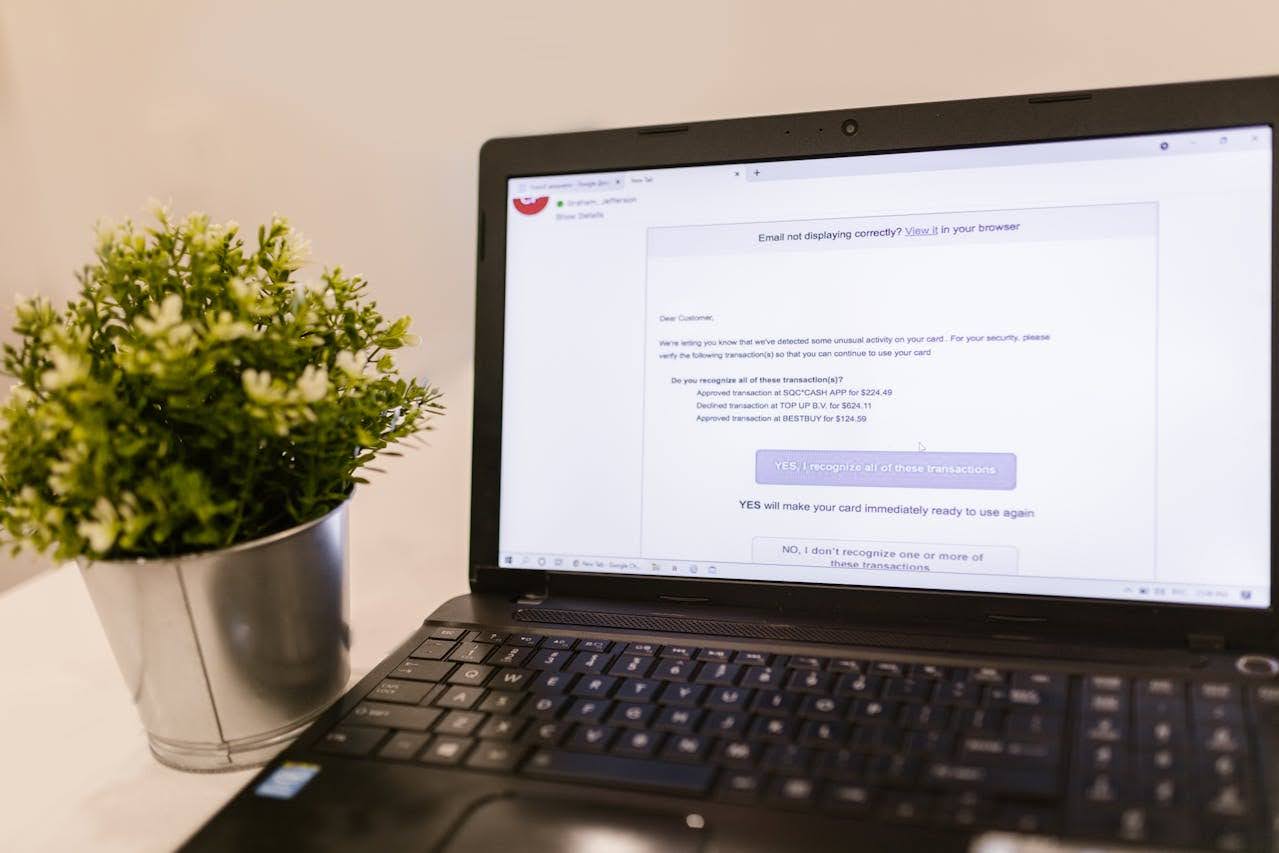
Hours of brainstorming, creation, testing, and optimization go into crafting high-converting Email Development campaigns. It’s your ticket to more conversions and revenue, with businesses earning $36 for every $1 spent on Email Development (3600% ROI).
So, how can you achieve that impressive ROI? The answer is simple: you develop engaging campaigns on special software, following Email Development best practices. There are plenty of Email Development platforms to use, but it’s tough to pick just one for your business.
Today, we’ll tell you how to choose an Email Development platform that helps you deliver winning campaigns. Read on for some helpful tips.
Define How You’ll Use Your Chosen Platform
Before researching and short-listing your options, it helps to determine how you’ll use your preferred Email Development software. Start with these key considerations.
Sending Transactional & Marketing Emails
This first point is especially important if you run an eCommerce store. You may need to send transactional emails to shoppers, including order confirmation messages and other emails sent post-checkout. Plus, some Email Development platforms let you send transactional and marketing-related text messages.
As you weigh your options, be sure to look at:
Website Integration
Several Email Development platforms make eCommerce site development possible, meaning you won’t need to connect the software to your online store. But if you’re running an existing eCommerce storefront, your chosen platform should offer API (Application Programming Interface) and SMTP (Simple Mail Transfer Protocol) functionality. Both are necessary for email integration into your website.
Support for Transactional & Marketing Emails
You should also consider whether using one platform for transactional and marketing emails would be easier or cost-effective over time. At this point, it’s best to know what you’ll get when you send both types of emails via your chosen platform.
Email Development platforms may have basic or advanced features for transactional email campaigns. Certain providers offer the latter as an add-on.
The Ability to Send Emails & Text Messages
Are you just sending emails, or do you want to send emails and text messages? For the latter, you’ll need a platform with SMS integration.
Combining Email Development with Other Types of Customer Data
Winning Email Development campaigns speak to your target audience. You must use your customer data well to achieve your goals with these emails. This step involves two crucial elements: accuracy and cross-linking insights.
Up-to-date and correct customer information ensures that your campaigns reach the right people. Most importantly, your content should be based on insights about your target audience’s interests, previously viewed or purchased products, chosen deals, and more. An Email Development platform that takes customer data from other sources translates to extremely successful campaigns.
You can cross-link Email Development to the other information you’re collecting by:
- Conducting all of your marketing activities on your chosen Email Development platform
- Connecting the software to other systems (app integration)
Estimate the Total Number of Emails to Send
You’ll also need to consider how many emails you’ll send when choosing an Email Development platform.
Transactional emails boil down to the number of emails you’ll send to customers who’ve bought your product(s) or service(s) and your projected daily, monthly, and annual sales. Both will dictate your estimated number of transactional emails per month.
For bulk marketing emails, check your current database. This step can tell you how many people would receive your messages (minimum and maximum). Next, see whether you have a target subscriber count to reach in one to two years, and estimate how many marketing emails to send monthly.
Consider Software Pricing
After setting your estimated number of emails to send, you should check software pricing. This varies across platforms.
For example, you could get a free subscription with a few thousand emails to send within the first month. The limit might decrease afterward, but it may work for your growing business.
Conversely, many platforms can be used for a fixed yet varied monthly fee. They’ve also set limits on the number of emails you can send. The key here is to choose an option suited to your budget.
Choose the Features You’ll Need
Features also vary by Email Development platform. As a general rule, your chosen software should offer:
- Automation, particularly if you want to craft and implement AI-optimized Email Development campaigns
- Analytics and reporting tools
- These features track multiple metrics such as bounce rates, number of unsubscribes, open rates, clicks on links in your emails, and conversion rates.
- Collected data should also be accessible and manageable. Otherwise, you’ll find data analysis challenging.
- Integration with other software or platforms, including CRM (customer relationship management) and eCommerce platforms
- Segmentation and personalization
- Segmentation is about sending personalized emails based on customer demographics, interests, browsing history, or abandoned carts.
- Check how you can segment your customers by characteristics such as location, interests, products bought, or specific stages in the buyer’s journey.
- Additionally, your chosen Email Development platform should allow you to segment users by how engaged they are. This helps you write content in a suitable tone.
- Email templates and customization
- Choose a platform with simple templates and a drag-and-drop interface for custom email designs.
- You may also want a library of stock images to use if you’re just starting out.
- Mobile optimization
- Since most consumers read emails on mobile devices, it’s important to pick an email platform with support for responsive design. This feature ensures that your email designs fit all screen sizes.
- Also, check whether your preferred platform offers preview and testing tools for mobile-friendly emails. You can use both to tweak layouts, images, and text for readable, high-converting emails.
Choose a Platform Based On Other Considerations
Besides essential features for your Email Development campaigns, make sure to consider the following when choosing an Email Development platform.
Landing Page & Social Media Post Creation
Ideally, emails direct customers to a landing page where they sign up for an offer, buy a product, or provide more information. Landing pages that are well-linked to emails increase conversions, and you can make them using dedicated software. Landing page builders can be built into or connected to Email Development platforms.
If you’re on social media, you may also want to link your social media account to Email Development software. Look for content creation tools that allow you to easily access your social media content and quickly edit it.
Scalability
Your brand and its Email Development needs evolve together. Thus, you’ll need a scalable Email Development platform for your ongoing and future campaigns. The best ones:
- Manage a growing subscriber list smoothly.
- Send more emails and implement more complicated campaigns.
- Offer flexible pricing. Costs should be scaled as your business grows.
Customer Support
Let’s say you’re managing a new Email Development campaign in-house. In this case, you should get adequate support from your Email Development platform. Select a provider that:
- Conducts onboarding
- Maintains an online knowledge base
- Assigns a customer service representative or account manager to you
- Has a user community, such as a forum
Security & Legal Compliance
A good Email Development platform also protects sensitive data and follows current laws. Overall, it’ll help you maintain compliance and build trust with your customers.
When testing the platforms on your list, see whether they implement strong security protocols. Each tool should utilize data encryption and secure servers, and thoroughly evaluate current measures.
Moreover, look into how your short-listed platforms maintain compliance. Examples of this include transparent consent measures, easy-to-use unsubscribe options, and data portability.
Future Updates & New Features
Unusable Email Development software keeps you from crafting effective campaigns. With frequent updates for improved functionality, reduced errors, and a seamless user experience, your chosen platform remains stable and secure.
Innovation is another decisive factor to consider during your search. New features or capabilities show that Email Development platforms are eager to stay ahead of their competitors (and help you do so, too).
Grow Your Business Through Impactful Email Development
You’ll spend plenty of time working on the perfect Email Development campaign. The best Email Development platform for your business can cut it down with features like automation, integrations, custom templates, and preview tools.
Not all platforms suit your business, though. Knowing what your business needs and comparing available options will help you find good Email Development software. You can also try some of the platforms you like and choose the right one from there.
Devwerkz crafts and implements successful campaigns using leading Email Development platforms. If you need our Email Development services for an upcoming campaign, contact us today or read our blog for expert tips.
 View our Solutions